Best Berberine: What the Evidence Says
If you want the short answer: there is no single “best” berberine. The honest picture is that almost all the human evidence comes from plain berberine, taken as 500 mg two to three times a day. The newer, better-absorbed forms look promising on paper, but the human trials behind them are thin.
So the real question isn’t “which brand wins”. It’s which form, at which dose, with which quality checks. Get those three right and you’re ahead of most people who buy on a label claim alone.
TL;DR
- Berberine is a yellow plant alkaloid studied for blood sugar, cholesterol and weight.
- Most human evidence uses standard berberine, 1,500 mg/day split across 2–3 doses with meals.
- Dihydroberberine absorbs better, but has far less human data on real health outcomes.
- Meta-analyses show real but modest effects, mostly in people with existing metabolic problems.
- It is not a replacement for prescription medication, and it interacts with several drugs.
- Buy from a brand that publishes third-party purity testing, not just a fancy capsule.
What is berberine?
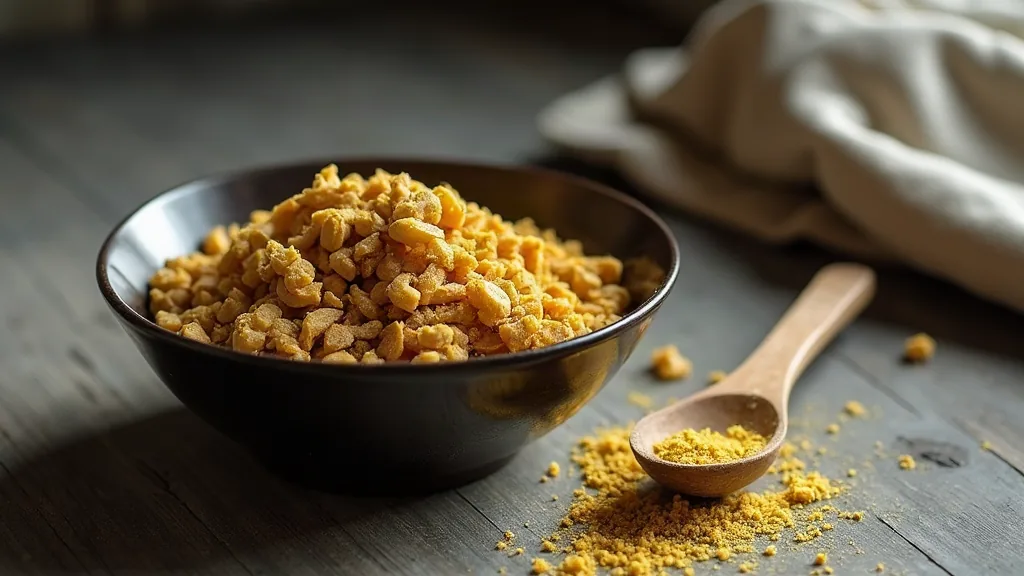
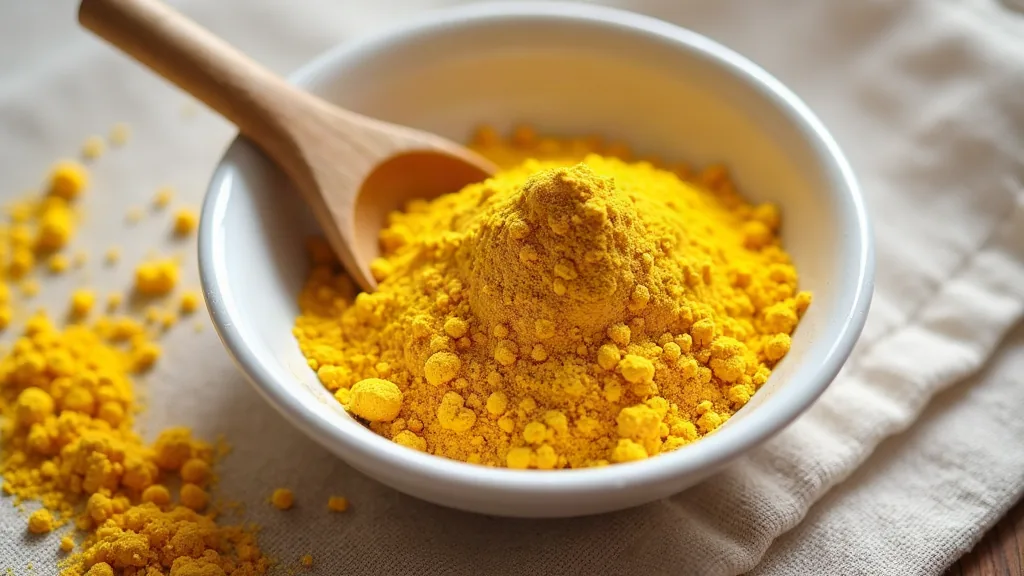
Berberine is a bitter yellow compound found in the roots and bark of several shrubs, including barberry, goldenseal and Oregon grape. It has been used for centuries in traditional Chinese and Ayurvedic medicine, most often as a tea or a tincture.

Today it is sold as a concentrated capsule, usually berberine hydrochloride (HCl), the same form used in most clinical studies. A typical product gives 500 mg per capsule.
How does berberine work?
The most studied mechanism is AMPK activation. AMPK is often called the cell’s fuel gauge: when it switches on, cells behave as if energy is scarce, pulling glucose from the blood and burning it for fuel. Berberine also shifts the gut microbiome and affects how the liver handles fat and sugar.
That multi-target profile is why researchers group it with compounds like omega-3s and phytosterols in reviews of metabolic and heart-health strategies [PMID 42652249]. It is also why the effects tend to be broad rather than dramatic.
What the evidence shows
Most of the strong data sits in people who already have type 2 diabetes, prediabetes or another metabolic condition. That context matters: a supplement that moves markers in a diabetic population may do much less in someone with normal blood sugar.
Blood sugar and HbA1c
A 2025 randomized trial of berberine ursodeoxycholate (a berberine salt) in 113 adults with type 2 diabetes found dose-dependent reductions in HbA1c compared with placebo [PMID 40029660]. A phase Ib trial of the same compound reported that it improved glucose and lipid metabolism and reduced liver enzymes, and was generally well tolerated [PMID 42249406].
“Compared to placebo, HTD1801 improved glucose and lipid metabolism and reduced liver enzyme levels.”
Diabetology & Metabolic Syndrome, 2026, phase Ib randomized trial
Worth saying plainly: that salt is a drug candidate, not a supplement you can buy. It tells us berberine has real biology, not that any bottle on a shelf does the same thing.
Cholesterol, weight and the wider picture
A 2026 meta-analysis of three randomized trials in adults with schizophrenia and metabolic syndrome found berberine reduced body weight, waist circumference, total cholesterol, triglycerides and fasting glucose [PMID 42433212]. The effects were moderate and the population was specific, so read it as supporting evidence rather than proof for everyone.
Broader reviews are more cautious. One 2026 review of nutraceuticals for antipsychotic-related weight gain concluded that heterogeneity and methodological weaknesses still block broad clinical recommendations [PMID 42442701].
The catch: bioavailability
Standard berberine is poorly absorbed, and this is the single biggest reason the “best berberine” question has no clean answer. More of it stays in the gut and less reaches the bloodstream than the dose on the label suggests.
Two responses followed. One is dihydroberberine (DHB), a slightly different molecule that absorbs better; the other is berberine phytosome, where berberine is bound to a lipid to slip through the gut wall more easily.
DHB is where the marketing runs ahead of the science.
“Importantly, while in vitro and animal studies demonstrated significant metabolic benefits, human clinical trials assessing direct disease outcomes remained highly limited.”
Food and Chemical Toxicology, 2026, dihydroberberine review
A small crossover pilot found that 100 mg and 200 mg of DHB produced higher plasma berberine levels than 500 mg of standard berberine over two hours.
The window was too short to show any change in glucose or insulin. One human study, a two-hour measurement and no health outcomes is not a case for paying three times more.
How to choose a good berberine supplement
Judge a product by what is checkable, not by what is claimed.
- Form: standard berberine HCl has the most human evidence. DHB and phytosome are reasonable alternatives if GI upset is your main problem.
- Dose: look for 500 mg per capsule so you can split the total across the day.
- Standardization: a stated berberine content, not a vague “root extract”.
- Third-party testing: a COA or a USP/NSF-style mark beats any influencer endorsement.
- Excipients: a short ingredient list. Berberine is bitter, so some fillers are normal, but the list should stay short.
Comparison: berberine forms
| Form | Typical dose | Human evidence | Notes |
|---|---|---|---|
| Berberine HCl | 500 mg, 2–3× daily | Strongest | Cheap, well studied, may cause GI upset |
| Berberine phytosome | 250–500 mg daily | Moderate | Better absorption claims; fewer trials |
| Dihydroberberine (DHB) | 100–200 mg, 1–2× daily | Limited | Higher plasma levels, almost no outcome data |
| Berberine-UDCA | Prescription track | Emerging | Drug candidate, not a shelf supplement |
Safety and interactions
Berberine is generally well tolerated. The most common complaint is digestive: cramps, loose stools or constipation, especially in the first week.
Two things deserve real caution. Berberine can inhibit CYP3A4 and P-glycoprotein, the same liver and gut pathways that clear many prescription drugs, so it can raise the levels of medicines you already take. And it is not considered safe in pregnancy or breastfeeding.
If you take medication for diabetes, blood pressure or cholesterol, talk to a clinician before adding berberine. Do not stop or change prescribed medication on your own.
FAQ
What is the best form of berberine?
Standard berberine HCl, at 500 mg per capsule, has the most human evidence behind it and is the cheapest. Dihydroberberine and phytosome forms absorb better, but their human outcome data is too thin to call them superior.
How much berberine should I take per day?
Most studies use 1,500 mg per day, split into doses of 500 mg taken two or three times with meals. Higher doses are not clearly better and tend to bring more digestive side effects.
When should I take berberine?
With food, split across the day. Taking it alongside meals lines up with the studies and appears to reduce stomach upset compared with taking it on an empty stomach.
Does berberine really work for blood sugar?
It has a real but modest effect, best shown in people with existing metabolic problems. Reviews report improvements in fasting glucose and HbA1c, but the effects are smaller than those of prescription medication and vary between studies.
Berberine vs metformin, which is better?
Metformin has decades of large trials, is cheap, and is a first-line prescription drug. Berberine is a supplement with smaller, shorter studies. They are not interchangeable, and berberine should never replace a medicine your doctor prescribed.
What are the side effects of berberine?
The main ones are digestive: stomach cramps, diarrhea or constipation, usually mild and early. Because berberine affects drug-metabolizing enzymes, it can interact with prescription medicines, so check with a clinician first if you take any.
Where to start
Start with a plain berberine HCl product that states its dose clearly, carries third-party testing, and gives 500 mg per capsule so you can split the daily total. Add it one meal at a time and see how your digestion responds before increasing.
Berberine is one lever of many. For the wider picture, start with our guide to metabolic health after 40.

References & sources (12)
References
- Comparative Efficacy of Herbal Products on Metabolic Parameters in Metabolic-Dysfunction Associated Liver Disease: A Systematic Review and Network Meta-Analysis. Gastro Hep Advances, 2026. PMID 42668494
- Efficacy and tolerability of nutraceuticals and phytotherapics for antipsychotic-induced weight gain in schizophrenia spectrum disorders: Systematic review and meta-analysis. Pharmacopsychiatry, 2026. PMID 42442701
- Adjunctive berberine for schizophrenia with metabolic syndrome: a systematic review and meta-analysis. Frontiers in Psychiatry, 2026. PMID 42433212
- Probiotics, synbiotics and berberine in Type 2 diabetes mellitus: A systematic review, meta-analysis, and molecular dynamics simulation study. PLoS One, 2026. PMID 42213651
- Berberine Ursodeoxycholate for the Treatment of Type 2 Diabetes: A Randomized Clinical Trial. JAMA Network Open, 2025. PMID 40029660
- Safety and metabolic effects of HTD1801 in type 2 diabetes and MASLD: a phase Ib randomized trial. Diabetology & Metabolic Syndrome, 2026. PMID 42249406
- Dihydroberberine in metabolic disorders: Bioavailability, molecular mechanisms, toxicology, and future perspectives. Food and Chemical Toxicology, 2026. PMID 42398618
- The efficacy and safety of berberine in combination with cinnamon supplementation in patients with type 2 diabetes: a randomized clinical trial. European Journal of Nutrition, 2025. PMID 39998703
- Non-Pharmacological Strategies in Atherosclerotic Cardiovascular Disease: From Molecular Mechanisms to Clinical Integration. Biomedicines, 2026. PMID 42652249
- Berberine and its derivatives as candidate modulators of immunosenescence: a critical evaluation. Biogerontology, 2026. PMID 42678634
- Absorption Kinetics of Berberine and Dihydroberberine and Their Impact on Glycemia: A Randomized, Controlled, Crossover Pilot Trial. Nutrients, 2021. PMID 35010998
- Berberine from Traditional Chinese Medicine in Liver Diseases: From Steatosis to Fibrosis and Hepatic Malignancies. The American Journal of Chinese Medicine, 2026. PMID 42623127
This article is for general information and is not medical advice. It does not replace the advice of your doctor or pharmacist. Talk to a qualified clinician before starting any supplement, especially if you take prescription medication or are pregnant or breastfeeding.





One Comment